
Beyond the Lens: The Hidden Challenges of Capturing Interiors, From Minimalist Lofts to Historic Halls
The allure of interior photography lies in its promise to translate atmosphere, design intent, and spatial experience into a single, compelling frame. For the architectural photographer, however, every room presents a unique puzzle. The challenges shift dramatically between a stark modern loft and an opulent period salon, demanding not just technical prowess but a deep interpretive skill. Let’s explore the core hurdles and the masters who teach us to overcome them.
The Dueling Masters: Natural Light vs. Artificial Ambiance
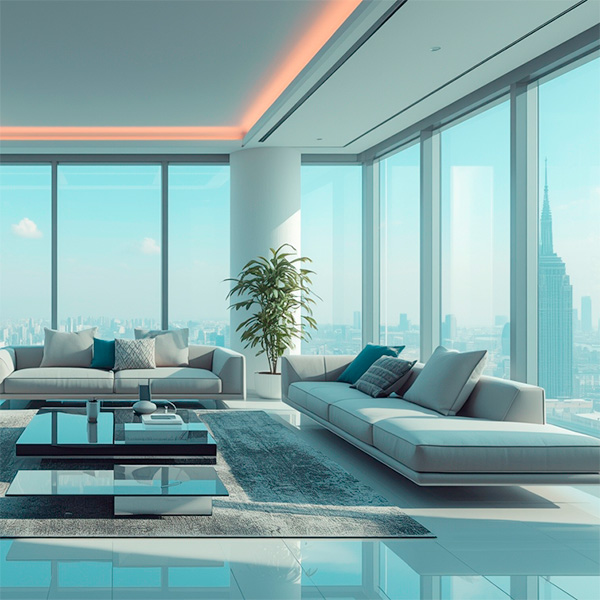
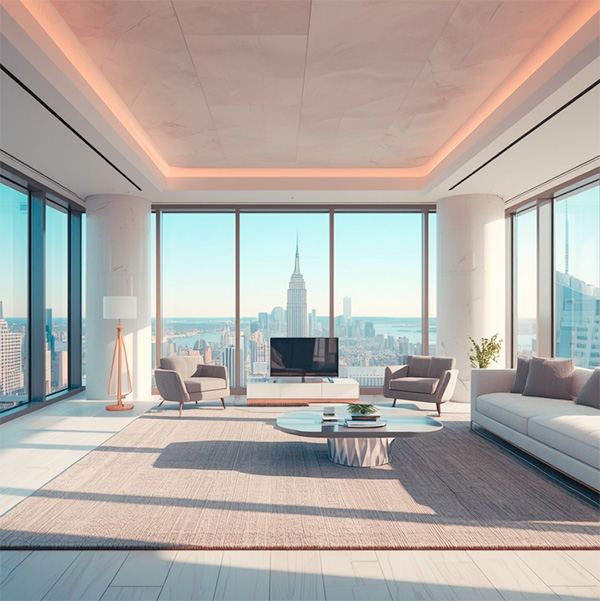
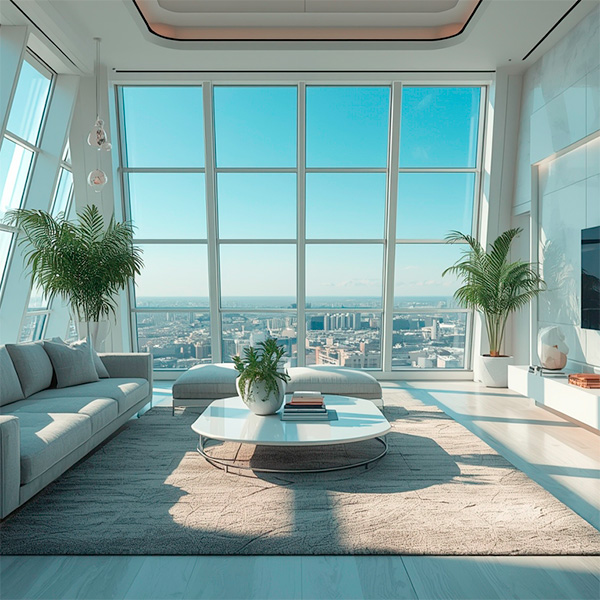
The fundamental battle in any interior is light. In a modern space with floor-to-ceiling windows, the challenge is contrast management. The photographer must balance a bright exterior view with a potentially darker interior, a technique perfected by masters like Scott Hargis. His “flash-ambient” or “flambient” method—blending multiple exposures of flash and natural light—has become an industry standard for real estate photography, allowing for a perfectly exposed, inviting scene where viewers can see both the sleek interior and the view outside.
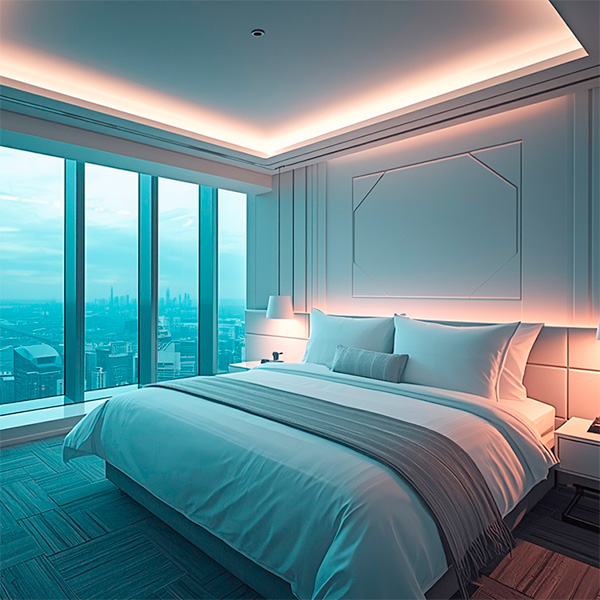
Conversely, a traditional, historic interior often relies on its own artificial ambiance—the warm glow of a table lamp, the dramatic fall of light from a chandelier. Here, the challenge is to honor and enhance that crafted mood without flattening it with intrusive flash. This requires a patient, observational approach, often using long exposures and subtle fill light to reveal shadow detail without destroying the room’s inherent drama. The goal is to feel the space as intended, not to overhaul its lighting.
The Geometry of Space: Lines, Perspectives, and Distortion
A wide-angle lens is essential for conveying space, but it introduces its own set of problems. In a modern interior defined by clean lines and right angles, any converging verticals or barrel distortion become glaringly obvious. Precision in camera positioning and meticulous post-processing correction are non-negotiable to maintain the architect’s rigid geometry.
In a traditional room with ornate moldings, arched doorways, and complex ceiling details, the challenge is compositional. The photographer must find an orderly framing within visual abundance, guiding the eye through layered textures and patterns without creating chaos. It’s less about sterile correction and more about finding a harmonious perspective that celebrates the detail.
The Human Element: Staging & Soul
A pristine modern interior can feel cold and uninhabited. The challenge is to add hints of life—a draped throw, an open book, a coffee cup—without cluttering the minimalist aesthetic. It’s a lesson in curated suggestion. In a traditional setting, staging is often about subtraction, gently removing modern ephemera to allow the period character to shine, ensuring a lampshade or cushion doesn’t clash with a centuries-old tapestry.
Learning from the Masters
To study this craft, one must look to its defining practitioners. Ezra Stoller (1915-2004) is the seminal figure. His iconic mid-century work didn’t just document buildings; it defined their cultural image with a breathtaking mastery of light, shadow, and composition. Studying a Stoller photograph is a masterclass in how to make architecture feel heroic yet perfectly balanced.
For contemporary inspiration, look to Pieter Estersohn, whose work for publications like *Architectural Digest* showcases a breathtaking ability to capture the layered narratives of lived-in, often historic spaces. His images are rich with texture, controlled color palettes, and a profound sense of place.
The Takeaway
Successful interior photography is an act of translation. It requires the technician’s skill to manage light and line, and the artist’s eye to interpret spirit and story. Whether facing the minimalist challenge of a concrete loft or the ornate complexity of a baroque chamber, the photographer’s ultimate goal remains the same: to create an image that feels not just like a room, but like an experience.