
The Play of Light and Shadow: Documenting Daylight in Modern Spaces
In architectural photography, the goal is rarely a single, perfect moment. Especially in modern spaces, which are often deliberately designed for a dialogue with daylight, the true story lies in the progression. Documenting this dynamic interplay of light and shadow is perhaps the most challenging and rewarding discipline for a photographer. It transforms static architecture into a living narrative about time, material, and spatial sensation.
The essential tool here is not just the camera, but above all, patience and a precise plan. It’s about understanding the sun’s path and predicting how a narrow beam of light will graze a concrete wall at midday, or how the long-wave light of dusk will make oak wood glow. An iconic example of this is the work on the Bruder-Klaus-Feldkapelle (Bruder Klaus Field Chapel) by Peter Zumthor. Photographers like Hélène Binet have created not just one image, but a series here, showing how the single oculus in the ceiling slowly scans and shapes the entire soot-blackened interior over the course of the day—a silent, sacred performance of light.
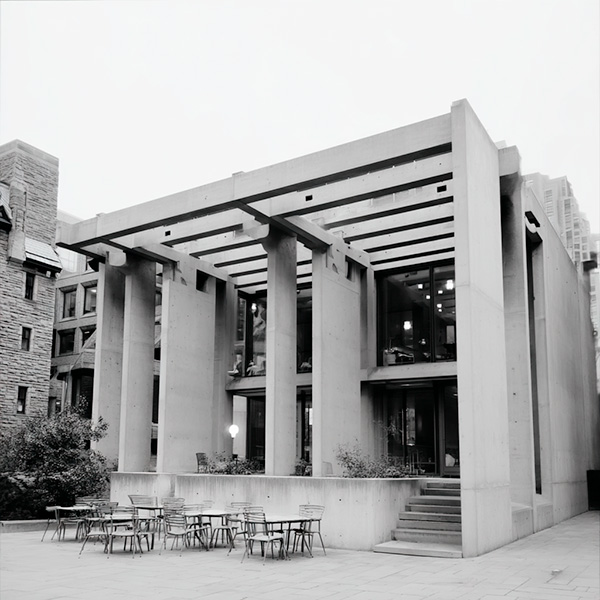
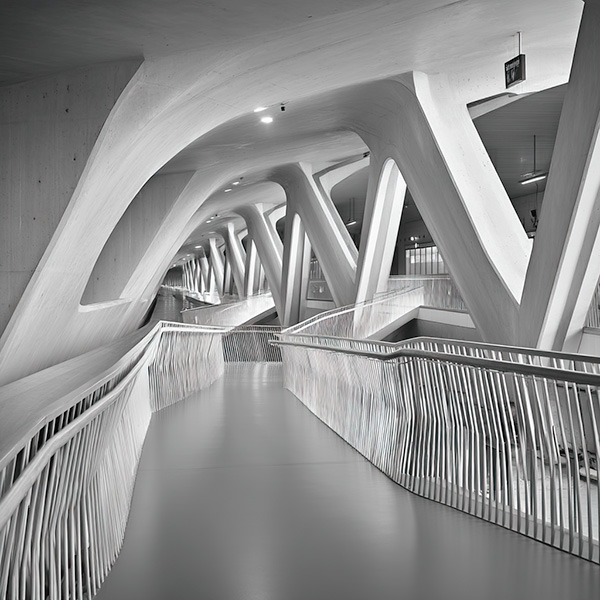
In contemporary architecture, projects like the Kunsthaus Bregenz or private homes with floor-to-ceiling, staggered windows consciously engage in this play. The challenge for the photographer lies not only in observing this progression but in compressing it into a meaningful sequence of images. Renowned photographer Iwan Baan masters this by often taking a fixed, carefully chosen vantage point and documenting the change over hours. The result is not a mere time-lapse animation, but a curated selection of key moments: the sharp, graphic shadow play of the morning, the diffuse, even illumination of the midday sun, and the warm, long shadows of the late afternoon.
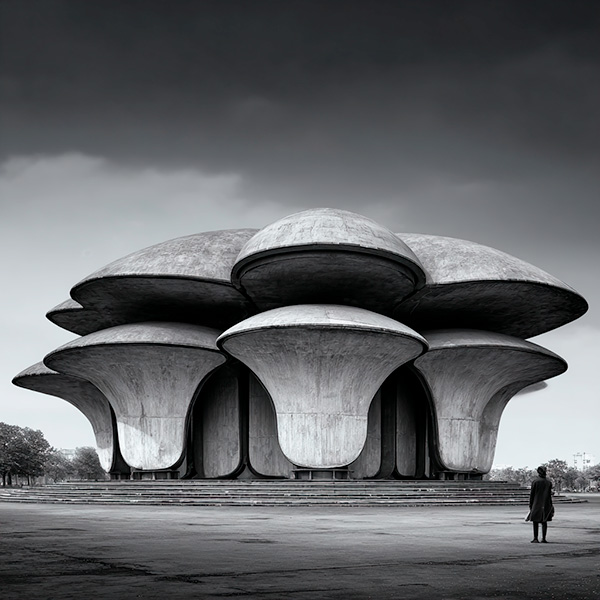
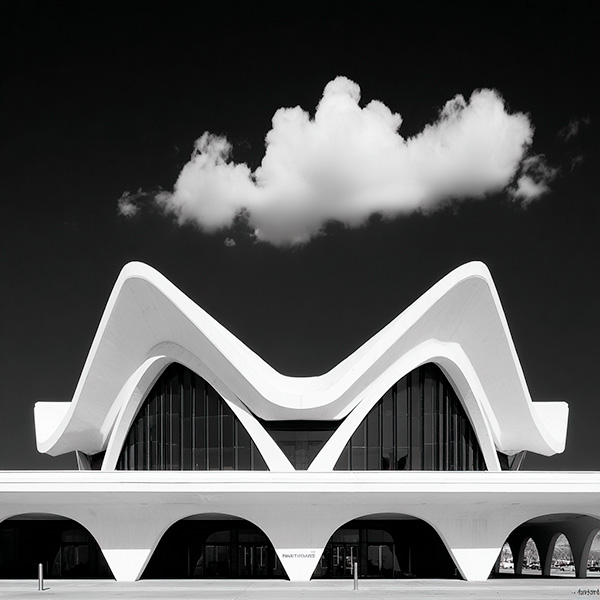
For architects and builders, such photographic documentation is far more than an aesthetic exercise. It is a valuable analytical tool that validates the design’s impact in reality. It shows whether the light works as a guiding element as intended, whether materials are showcased at the right angle, and how the atmosphere of a room can change fundamentally for its inhabitant.
As a photographer, my task in this process is to become the silent chronicler of this interaction. It is a process of reduction and precise observation, where I do not shape the architecture with artificial light, but instead make its own, dynamic drama visible. The reward is a portfolio that does not just show spaces, but captures time itself as architecture’s fourth dimension.