
A guide for collectors
Limited Edition Fine Art Photography — What the Numbers Mean
Limited edition fine art photography is a photograph printed in a fixed, stated quantity at a fixed size, signed and numbered by the artist, and never reprinted once that quantity is sold. Everything that separates it from a poster sits in four numbers — the edition size, the print number, the proofs, and the price — and in the paper and certificate behind them.

What a limited edition actually is
A limited edition is a promise with a number attached: this photograph will be printed in a fixed quantity at a fixed size, and when that quantity is sold, no more will be made. The promise is only worth what the artist’s discipline is worth — there is no registry enforcing it — which is why it matters who you are buying from.
An edition is defined per size, not per image. A photograph offered in three sizes usually has three separate editions, and a serious seller states all of them. If a listing says “limited edition” without a number, it is not one.
Small editions are not automatically better than large ones. What matters is that the number is stated, consistent everywhere, and not quietly extended later in a different size, a different paper or a different crop.
Reading the numbers: 4/15, AP, and three editions per motif
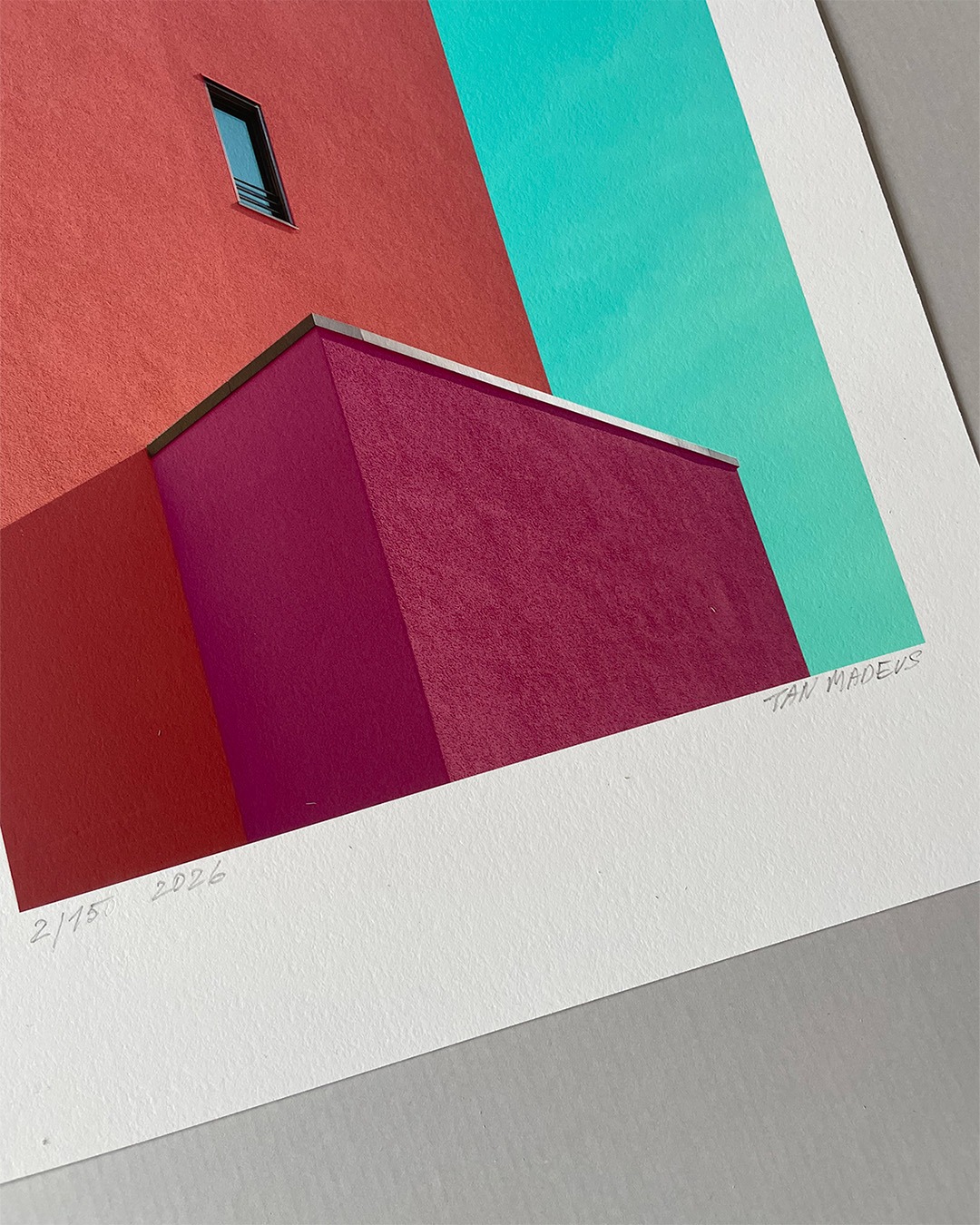
Prints are numbered as a fraction: 4/15 is the fourth print in an edition of fifteen. The number is written by hand, usually in pencil, next to or below the image, together with the signature and often the year.
Alongside the main edition, artists hold a few artist’s proofs, marked AP or E.A. Historically these were the prints pulled to check the process; today they are a small reserve, conventionally around ten per cent of the edition, kept back for exhibitions, gifts and the artist’s own archive. They are legitimate as long as they are disclosed and few. A seller who cannot tell you how many proofs exist is telling you something.
A low number is not a better photograph. It is a better place in a queue, which is why prices are often lowest at the beginning of an edition.
Why my editions run 15, 10 and 5
Every motif on this site exists in three sizes and three editions: fifteen prints at 30 × 40 cm, ten at 60 × 80, five at 90 × 120. The rule is simple — the larger the print, the smaller the edition. A large print takes over a wall; there should not be many of them in the world. A small print can live in a study or a corridor, and fifteen is still a number I can count on one sheet of paper. Across all three sizes, a motif exists at most thirty times, plus a handful of proofs. That is the whole supply, ever.
Are limited edition prints worth anything?
Honestly: some are, most are not, and the difference is rarely visible in the picture. A photograph by a living artist without a secondary market is worth what the next buyer will pay, which may be nothing. What holds value is not the label “limited” but a short list of verifiable things:
- An edition size that is stated, small enough to matter, and has never been extended
- A print signed and numbered by the artist, not by a print shop
- A certificate issued by the artist that identifies this exact print
- Archival materials — pigment ink on cotton paper — so the object still exists in fifty years
- An artist with a body of work, exhibitions and a record, not a single viral image
Buy a photograph because you want to keep looking at it. If it appreciates, that is a pleasant accident, not a plan.
I am a photographer, not a financial adviser, and nothing here is investment advice.
How much should a limited edition print cost?
There is no list price for the category. What a print costs is decided by four things, in roughly this order: the size of the sheet, the size of the edition, where the artist stands in their career, and what the print physically costs to make — a 90 × 120 cm pigment print on museum paper, packed to survive shipping, is not cheap to produce even before anyone is paid for the picture.
A sensible way to read a price: divide it by what you are actually getting. A signed print from an edition of five, on named archival paper, with an artist-issued certificate, is a different object from an open-edition poster of the same file at a tenth of the price. Both can be honest. They are not the same purchase.
My own ladder, for orientation: small prints start at €190, medium at €490, large at €990, and each price steps up as its edition sells. The first buyer in an edition pays the least and gets the lowest number. The full table is below.
What the certificate must say
A certificate of authenticity is not decoration; it is the document that makes the print identifiable later — when you sell it, insure it, or leave it to somebody. A usable certificate states:
- The artist’s full name, and the artist’s handwritten signature
- The title of the work and the year the photograph was made
- The edition number and the full edition size for that size of print
- The printing process, the paper, and the sheet dimensions
- The date this print was made, which is often later than the photograph
- How to reach the artist or the issuer
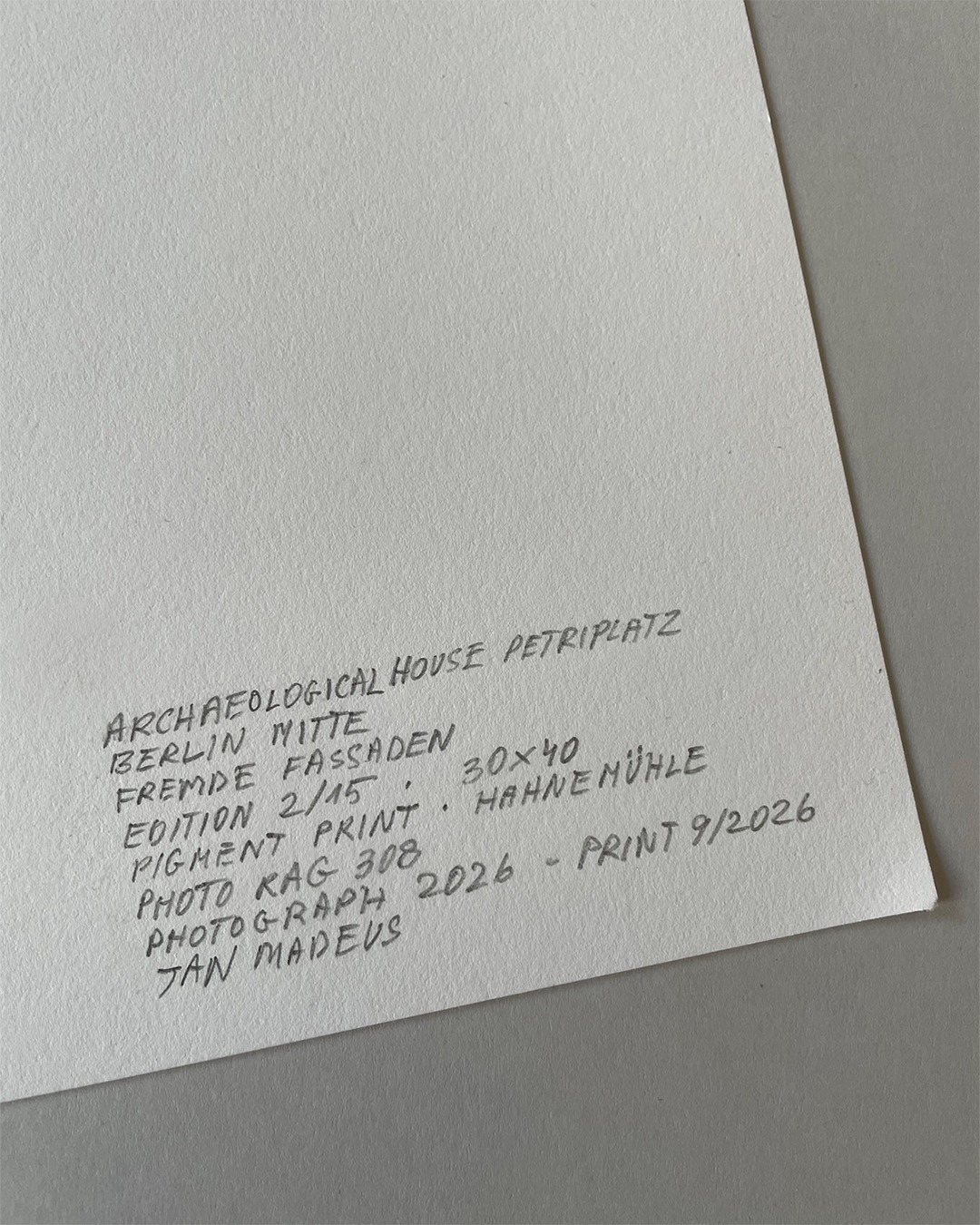
Check that the number on the certificate matches the number written on the print itself. It is the one comparison that takes five seconds and catches most problems.
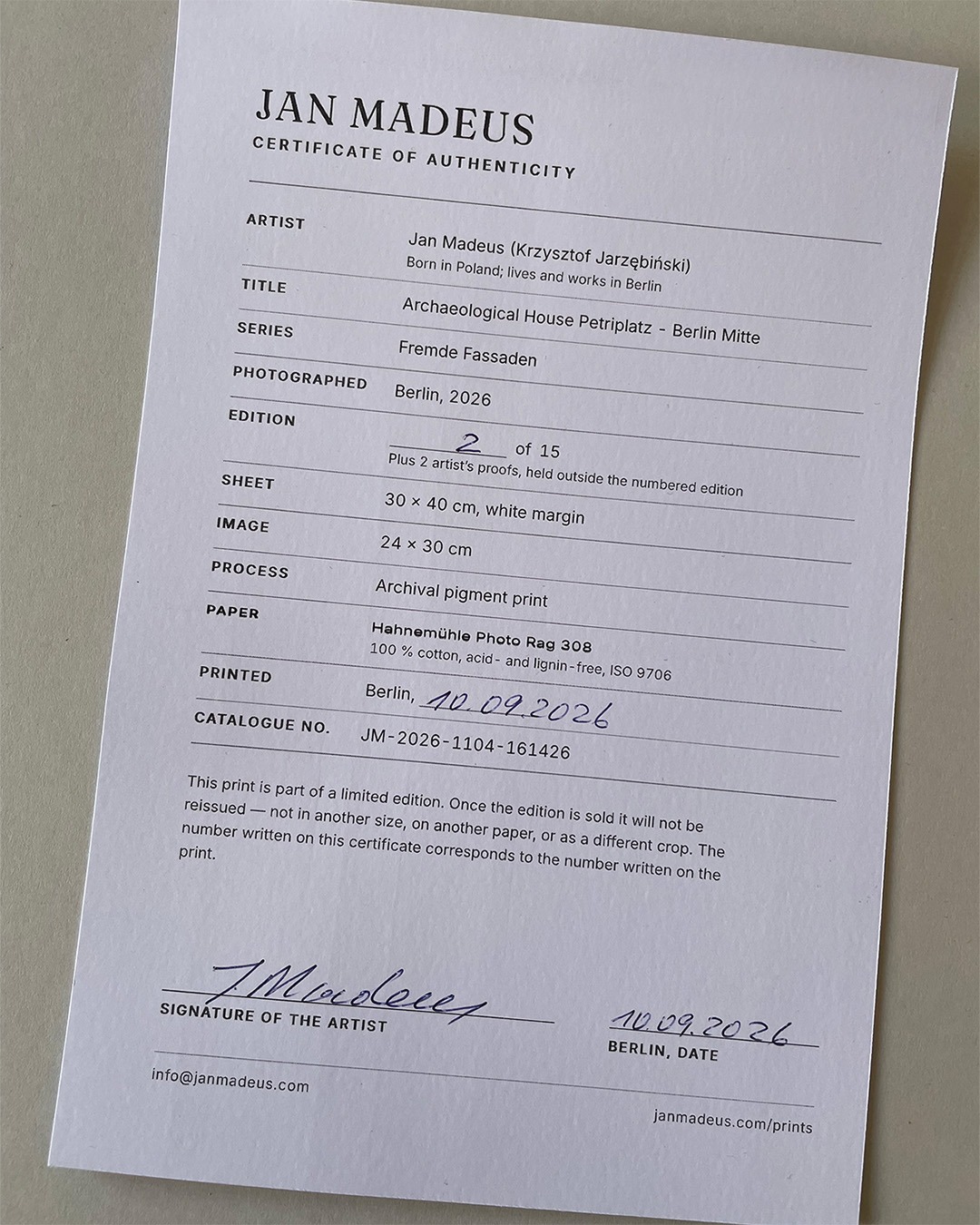
A certificate issued by a print shop or a marketplace rather than the artist certifies that a file was printed. It does not certify an edition.
How the print is made, and why it matters
Two things determine whether a photograph still looks like itself in forty years: the ink and the paper. An archival pigment print — often sold under the older name giclée — uses pigment rather than dye, on paper with no optical brighteners and no acid. Cotton rag papers are the usual choice for fine art photography because they are stable and because the surface holds detail without gloss.
The names to look for on a listing are the paper manufacturer and the exact paper: Hahnemühle, Canson, Ilford, and a named stock rather than “premium fine art paper”. The paper I print on, Hahnemühle Photo Rag 308, is 100 % cotton, 308 g/m², acid- and lignin-free and made to the ISO 9706 standard for permanent paper — which is what “museum quality” means when it means anything. A seller who will not name the paper is either not printing it themselves or does not think it matters. Both are reasons to ask again.
Ask also whether the sheet has a white margin. A print with a margin can be hinged and framed without cutting into the image, and it leaves room for the signature.
Why prices go up as an edition sells
Many artists run a price ladder: the first prints in an edition are offered at the lowest price, and the price rises as the edition sells down. This is not a sales tactic invented for urgency — it reflects that the remaining supply is genuinely smaller, and it rewards the people who bought before anything was proven.
Two things a ladder should never do: go down, and restart. If a price on an edition drops, or the same motif reappears in a “new” edition after the old one sold out, the numbers meant nothing. Mine only go up, and a sold-out edition stays sold out.
Where to buy: artist, gallery, or marketplace
Directly from the artist. You get the lowest price in the edition, the earliest numbers, and someone who can answer questions about the work. You also carry the checking yourself: edition, paper, certificate, return terms.
Through a gallery. The price is usually higher, because the gallery is doing work — selection, framing advice, provenance records, and standing behind what it sells. For a first purchase this can be worth the difference.
On a print marketplace. Fine for posters and open editions, and a poor fit for signed editions: the certificate usually comes from the platform, the numbering is often nominal, and the same file may be sold as a canvas, a mug and a phone case. There is nothing wrong with that market. It is simply a different one.
Size, framing and care
Choose the size against the wall, not against the price list. A reliable method: measure the free wall, subtract a hand’s width on each side for the frame, and hang so that the centre of the image sits at about 150 cm, which is roughly eye height standing.
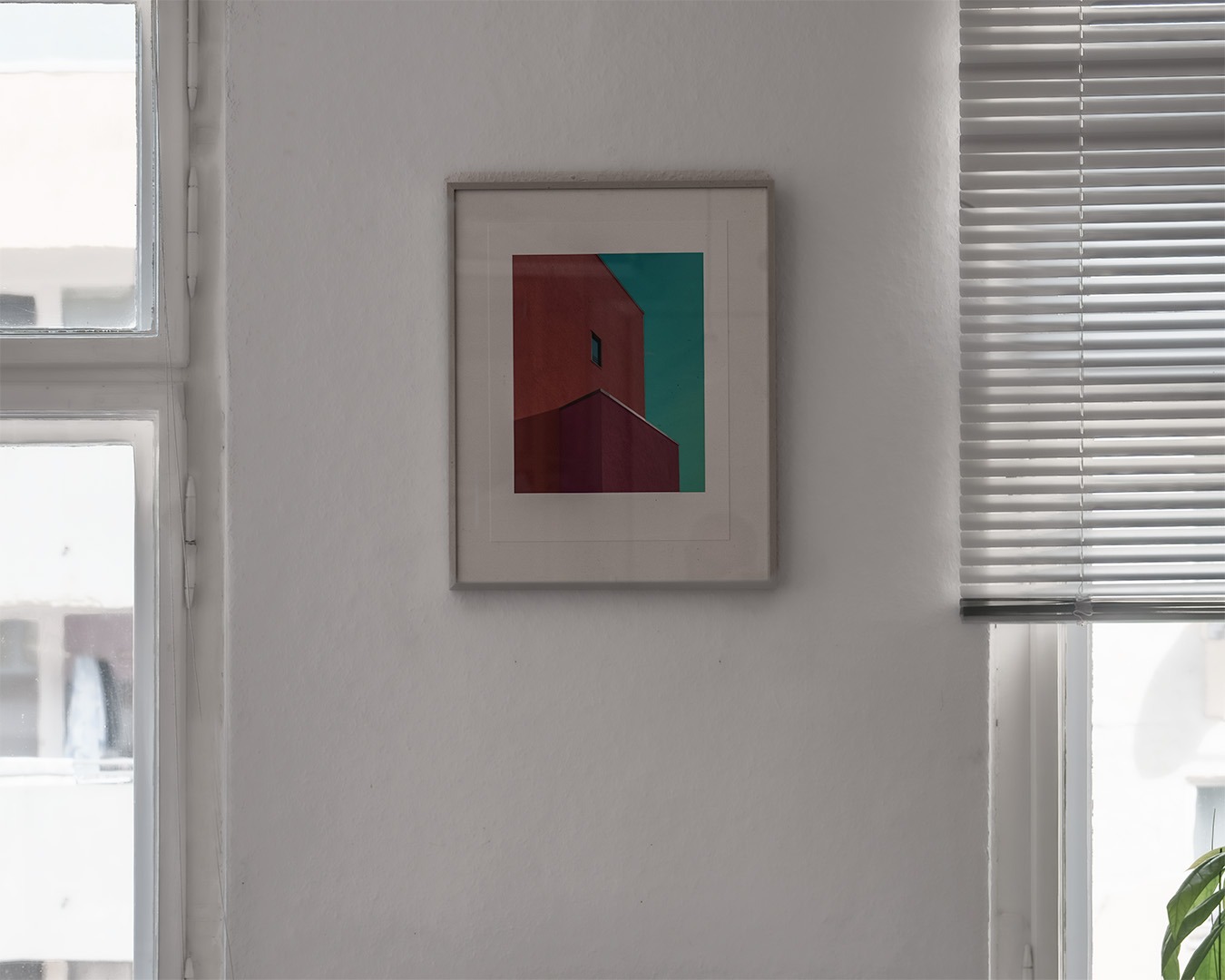
For framing, ask for museum glass or an equivalent UV-filtering glazing, an acid-free mount, and a mount that does not press against the surface of the print. Keep the finished frame out of direct sunlight; pigment on cotton is stable, but nothing survives a south-facing window indefinitely.
Prints ship rolled in a tube or flat between boards. Rolled is normal and safe for larger sizes; let the sheet relax flat for a day before framing.
How it works here
Every photograph on this site is released as an archival pigment print on Hahnemühle Photo Rag 308, printed and finished in Berlin. Each print is signed and numbered by hand and comes with a certificate recording title, number, size, paper and year. A small number of artist’s proofs is held outside the main edition.
Three sizes, three separate editions, and the price rises as each one sells:
| Size | Sheet | Edition | From |
|---|---|---|---|
| Small | 30 × 40 cm | 15 | € 190 |
| Medium | 60 × 80 cm | 10 | € 490 |
| Large | 90 × 120 cm | 5 | € 990 |
Once an edition sells out it is not reprinted — not in another size, not on another paper, not as a “new” crop. The work itself is here: Fremde Fassaden, the colour-shifted façade series, and the wider body of abstract architecture photography. The full terms — sizes, paper, packaging, shipping — are on Prints & Editions; a German summary of editions, prices and how to buy is at Fotokunst kaufen.
If you are looking at a particular wall, send me its measurements and a photograph of the light, and I will send back a visualisation at true scale before you decide anything.
Questions collectors ask
What does a limited edition photograph mean?
A limited edition means the photograph is printed in a fixed quantity at a fixed size, and once that quantity is sold no further prints are made. Editions are defined per size, so a photograph offered in three sizes usually has three separate editions, each with its own stated number.
What is an artist’s proof?
An artist’s proof, marked AP or E.A., is a print held outside the main edition, conventionally around ten per cent of the edition size. Artists keep them for exhibitions, gifts and their own archive. They are legitimate as long as the number is disclosed and small.
Are limited edition prints worth anything?
Some are, most are not. A photograph by a living artist without a secondary market is worth what the next buyer will pay. What holds value is a stated, never-extended edition, a print signed and numbered by the artist, an artist-issued certificate, archival pigment on cotton paper, and an artist with a body of work and exhibitions behind the image.
How much should a limited edition print cost?
There is no list price for the category. Price follows sheet size, edition size, the artist’s standing and the physical cost of an archival print. As orientation, Jan Madeus’s editions start at €190 for 30 × 40 cm, €490 for 60 × 80 cm and €990 for 90 × 120 cm, rising as each edition sells.
What should a certificate of authenticity for a photograph contain?
The artist’s full name and handwritten signature, the title and year of the work, the edition number and full edition size for that print size, the printing process, paper and sheet dimensions, the date the print was made, and contact details for the artist or issuer. The number on the certificate must match the number written on the print.
Why do limited edition print prices rise as the edition sells?
Many artists use a price ladder: early prints are offered at the lowest price and the price rises as the edition sells down, because the remaining supply is genuinely smaller. A rising ladder is not a guarantee of resale value; a photograph by a living artist is worth what the next buyer will pay.