The most useful instrument I own is not a camera. It is staying put. For two, almost three years now I have been photographing the same building — the house across the street, the same façade, the same windows, different light. Nothing about it changes, and everything about it changes. This is a note on what one building can teach you when you refuse to move on.
What repetition does
The first time you photograph a façade, you photograph a façade. The fiftieth time, you photograph weather, hours, the way midday cuts the wall into planes and the way an overcast sky puts it back together. The building stops being a subject and becomes a measuring device — for light, for seasons, for your own attention. Whatever changes in the picture, changed in you or in the sky, because the wall did not move.
There is a tradition of this — photographers returning to a fixed vantage point and letting hours do the composing. My version is domestic. No assignment, no travel: a window, and a house that never asked to be looked at.
One house, two series
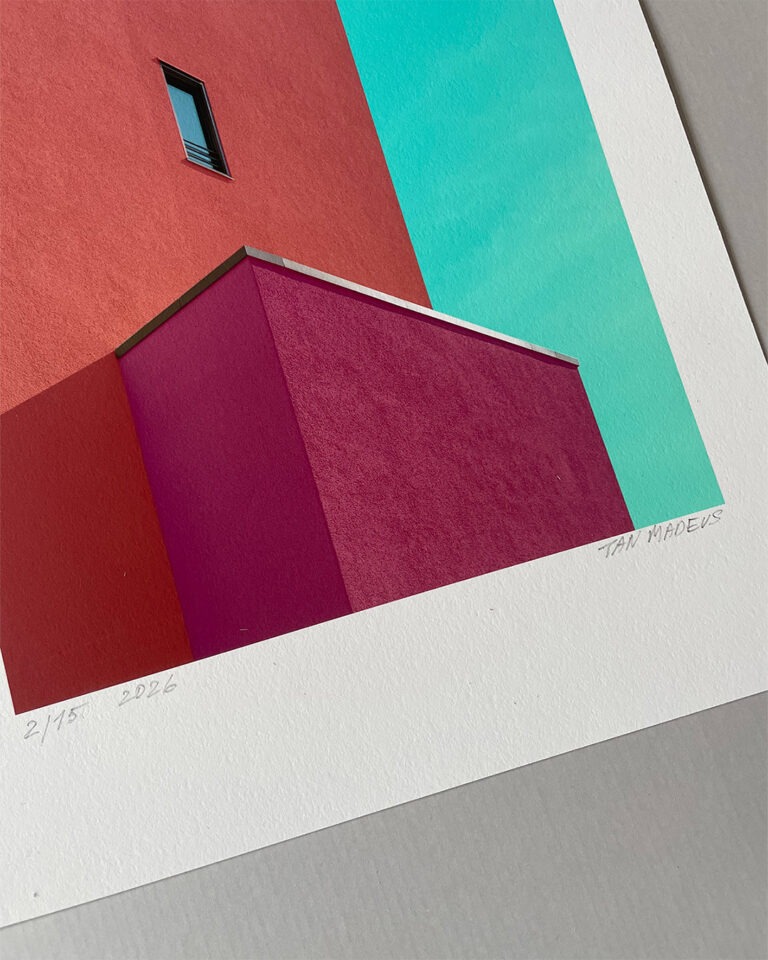
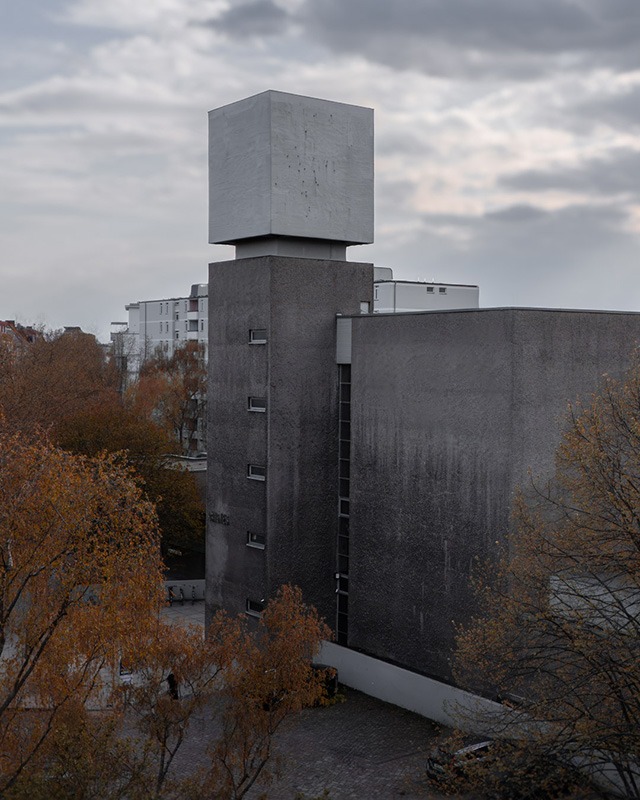
The same building now lives in two bodies of work, and the difference between them is the point. In Fremde Fassaden it appears as it is — inhabited: curtains, a satellite dish, the hard contrast of a Berlin noon. Once from the street, twice from my window. In Das Haus gegenüber it is the same walls with the traces of habitation removed. One series records the house; the other asks what remains of a house when you take the living out of it. Same address, two questions.
The pictures had to stop being new
I photographed for years before I edited anything. The first edits are six months old. That delay was not a backlog — it was part of the method. As long as a picture is new, you defend it. Once it has waited two winters, you can finally see it. The series that came out of this window would not exist without that waiting, and it would not exist if I had gone looking for better buildings. There were no better buildings. There was this one, and enough hours.