Journal

Notes on seeing, on light, and on the slow craft of making photographs.

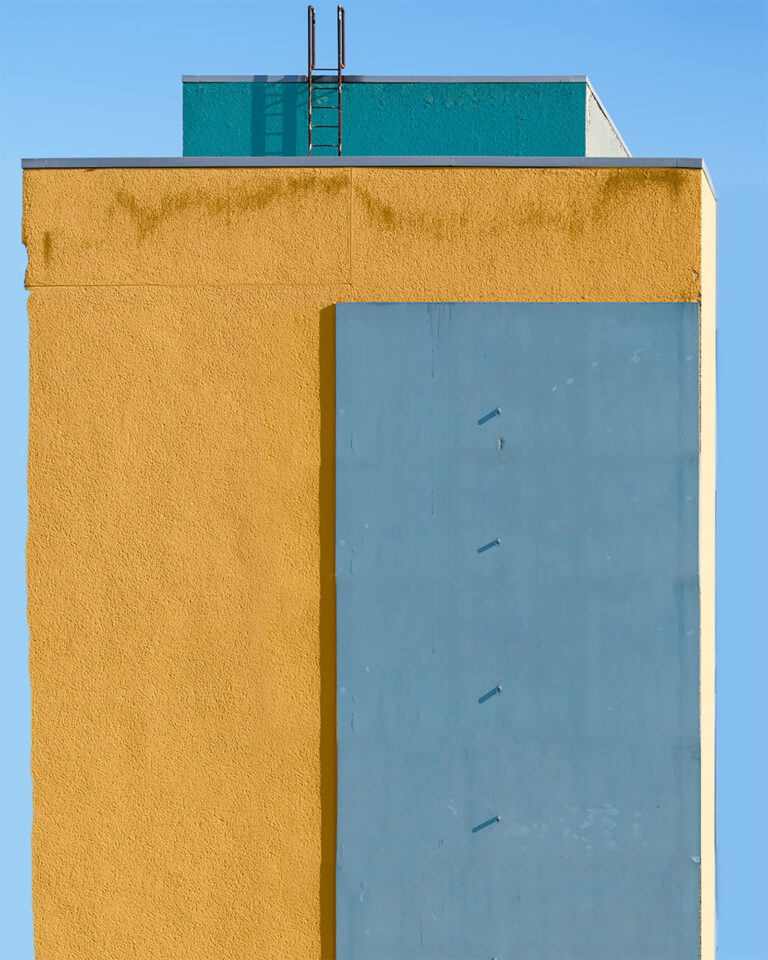
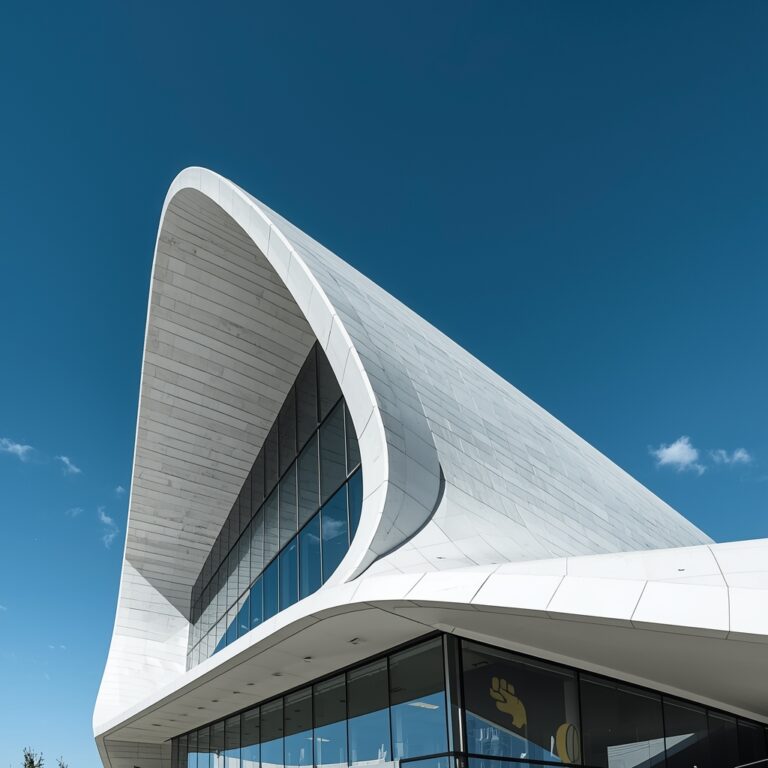
Modern architecture photography — daylight moving across a modern building’s surfaces

Modern spaces in transition

In architectural photography, the goal is rarely a single, perfect moment. Especially in modern spaces, which are often deliberately designed for a dialogue with daylight, the true story lies in the progression. Documenting this dynamic interplay of light and shadow is perhaps the most challenging and rewarding discipline for a photographer. It transforms static architecture into a living narrative about time, material, and spatial sensation.

Read More
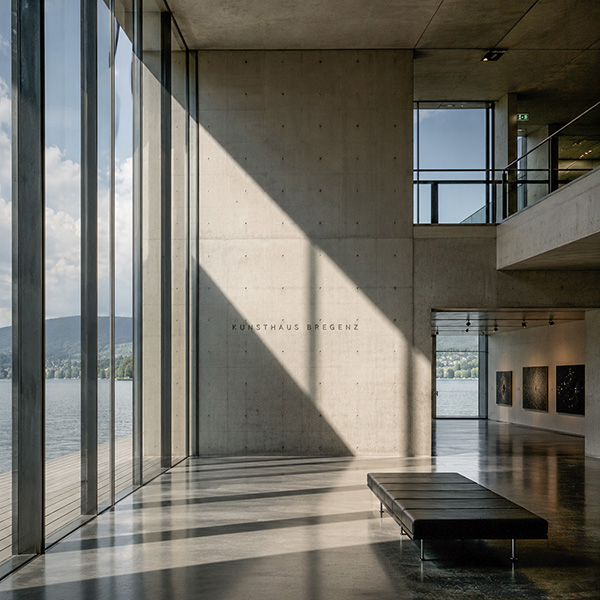
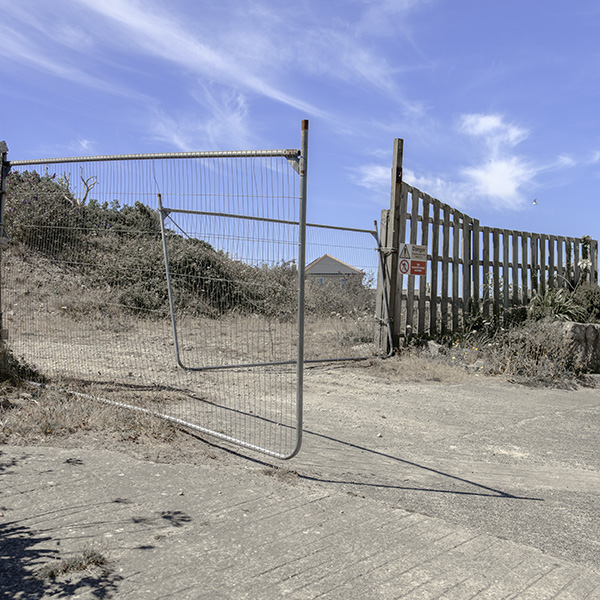
Interior architecture photography — light and geometry inside a modern interior space

Capturing Interiors

The allure of interior photography lies in its promise to translate atmosphere, design intent, and spatial experience into a single, compelling frame. For the architectural photographer, however, every room presents a unique puzzle. The challenges shift dramatically between a stark modern loft and an opulent period salon, demanding not just technical prowess but a deep interpretive skill. Let’s explore the core hurdles and the masters who teach us to overcome them.

Read More
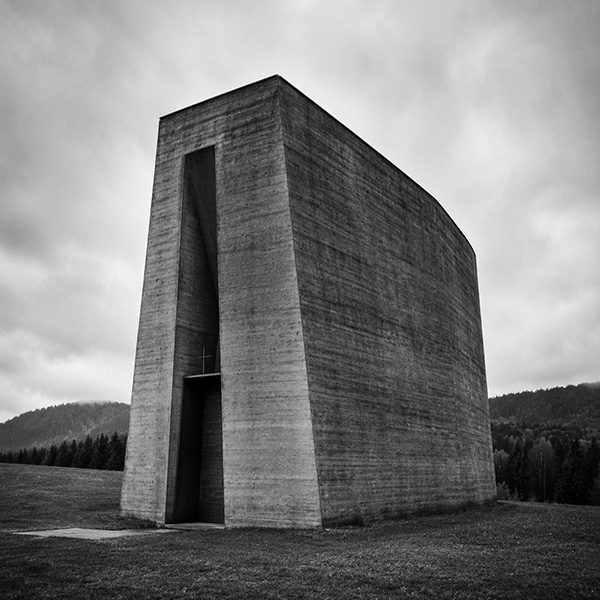
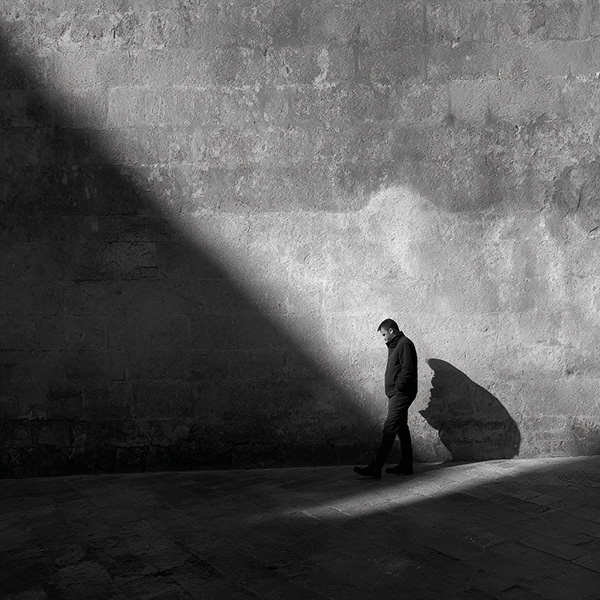
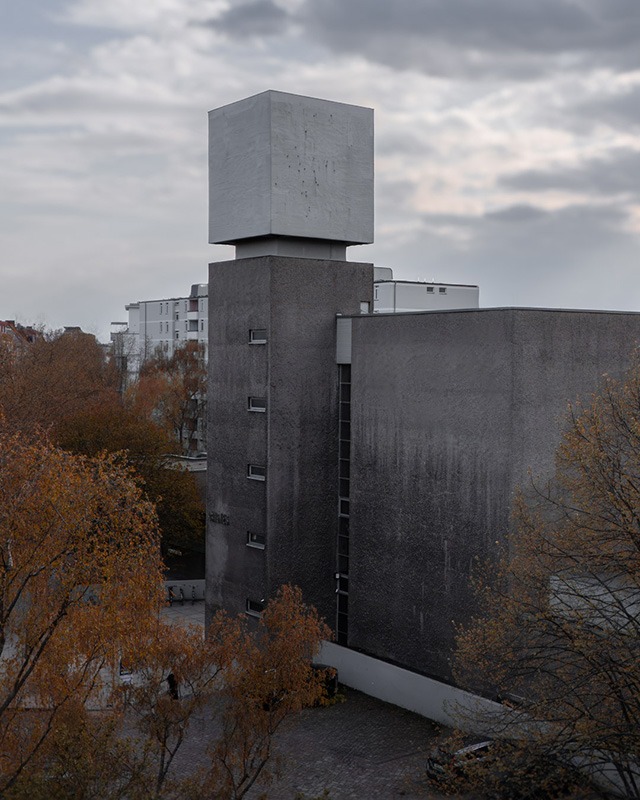
Brutalist architecture in black and white — raw concrete forms in light and shadow

The Beauty of Brutalism

See It

Brutalist architecture stands as one of the most visually striking — and emotionally polarizing — movements of the 20th century. Born in the post-war reconstruction era and flourishing between the 1950s and the late 1970s, Brutalism emerged as a radical response to both architectural tradition and the social needs of a changing world. Its name, derived from the French phrase béton brut or “raw concrete,” emphasized the material’s natural texture and inherent honesty, not aesthetic brutality.

Read More
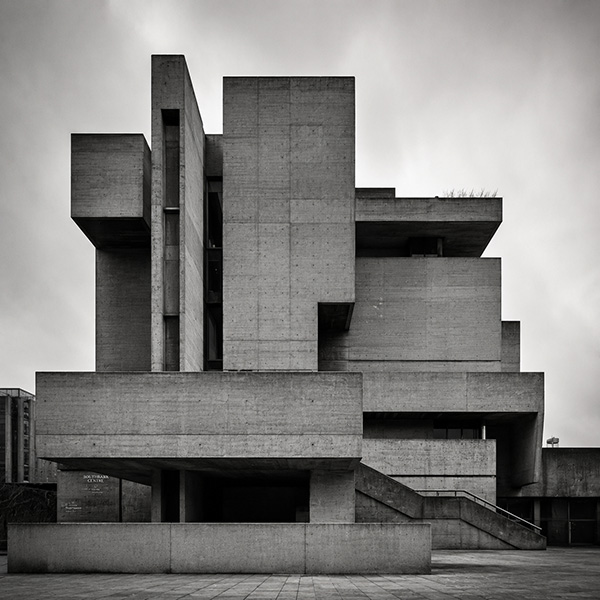
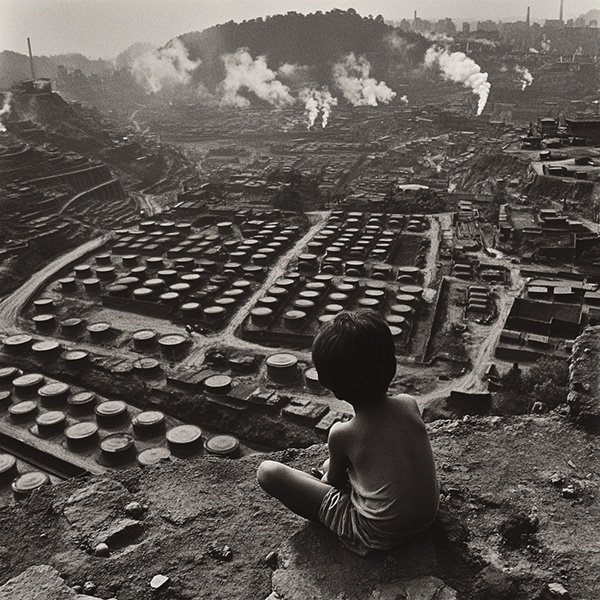
Light in architecture photography — daylight modelling a building’s volume and shadow

Architecture Needs Light

Light is one of the central yet often underestimated design elements in architectural presentation. A building does not exist independently of light — it becomes visible, readable, and emotionally tangible through light. Light ultimately determines whether architecture appears cold or warm, monumental or intimate, abstract or inviting. For architects, photographers, and viewers alike, light is therefore not a technical detail, but a fundamental narrative medium.

Read More